
Ballard sits in the northwest corner of Seattle, bordered by Puget Sound to the west and the Lake Washington Ship Canal to the south. Once a standalone city incorporated in 1890 and later annexed by Seattle in 1907, Ballard has grown into one of the most recognizable and dynamic neighborhoods in the Pacific Northwest. For residents and newcomers alike, understanding what shapes Ballard today helps explain the day-to-day rhythms of life in this corner of the city.
A Neighborhood With Deep Roots in Maritime Industry
Ballard’s identity has long been tied to fishing, boat building, and the working waterfront. The Hiram M. Chittenden Locks, commonly called the Ballard Locks, connect the freshwater Lake Washington Ship Canal to the saltwater Puget Sound and remain one of the most-visited public sites in Washington State. The locks handle commercial fishing vessels, pleasure crafts, and research boats on a daily basis, reinforcing Ballard’s ongoing relationship with maritime work.
The neighborhood’s Scandinavian heritage, rooted in the Norwegian and Swedish fishing families who settled here in the early 20th century, still surfaces in local institutions. The Nordic Museum, located on Market Street, serves as the largest museum in North America dedicated to Nordic culture and history.
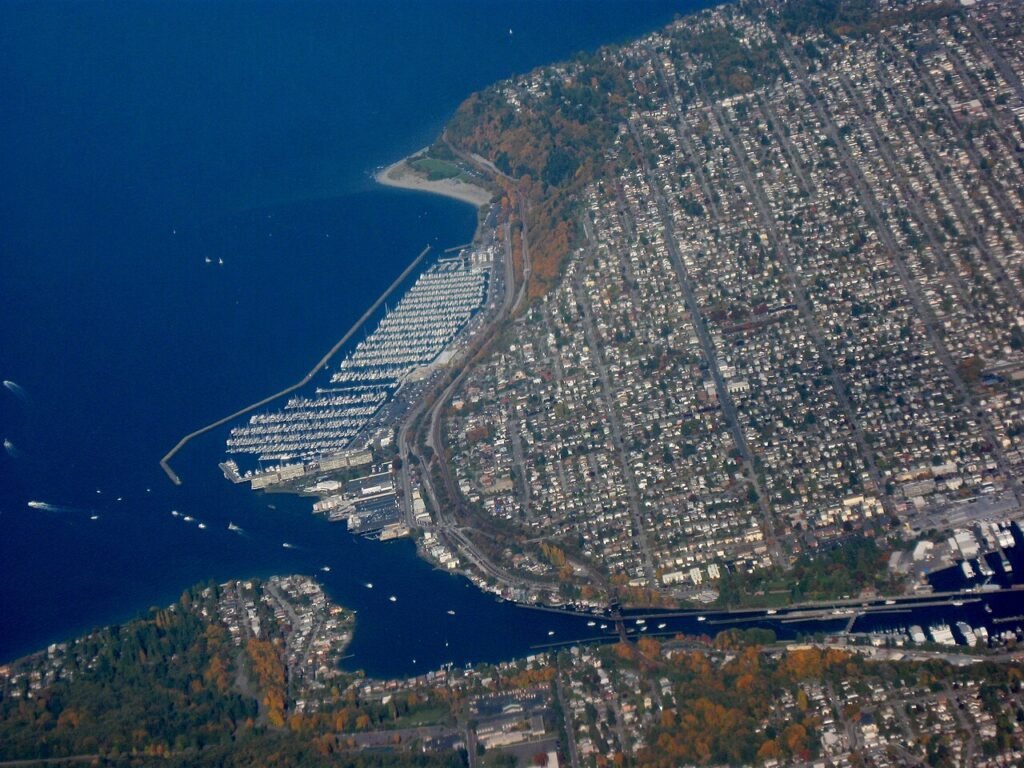 Image credit: Dcoetzee, Public domain, via Wikimedia Commons

Population Growth and Demographic Shifts
Over the past two decades, Ballard has experienced significant population growth driven by Seattle’s broader tech-sector expansion. The Seattle Office of Planning and Community Development designates Ballard as one of the city’s urban centers, intended to absorb higher-density residential and commercial growth. New apartment buildings and mixed-use developments have risen along key corridors such as 15th Avenue NW and NW Market Street.
This growth has brought a more diverse population to a neighborhood that was historically less racially mixed than other parts of Seattle. Longtime residents, younger transplants, and families with children now share the same blocks, creating a neighborhood where generational change is visible and ongoing.
Mental Health and Community Wellbeing in a Changing Urban Environment
Rapid urbanization brings real psychological pressures. Research from the American Psychological Association links neighborhood instability, housing cost stress, and displacement anxiety to increased rates of depression, anxiety, and relationship strain, all patterns visible in fast-growing urban areas like Ballard. Individuals and families working through major life transitions, career pressures from Seattle’s competitive tech economy, or the social disconnection that can accompany moving to a new city often find their mental health needs go unaddressed for longer than they should.
Seattle’s climate adds another layer. The region averages around 150 overcast days per year, and seasonal affective disorder (SAD), a form of depression linked to reduced sunlight exposure during fall and winter months, is a documented concern for Pacific Northwest residents. The Washington State Department of Health acknowledges light-related mood disorders as a real public health consideration in the region.
Community mental health infrastructure in Ballard has grown alongside the population, with a range of licensed therapists, counseling centers, and group support services now operating in the neighborhood and surrounding areas of northwest Seattle. Access to these services spans individual therapy, couples counseling, family therapy, and group-based support for concerns including grief, trauma, anxiety, and life transitions.
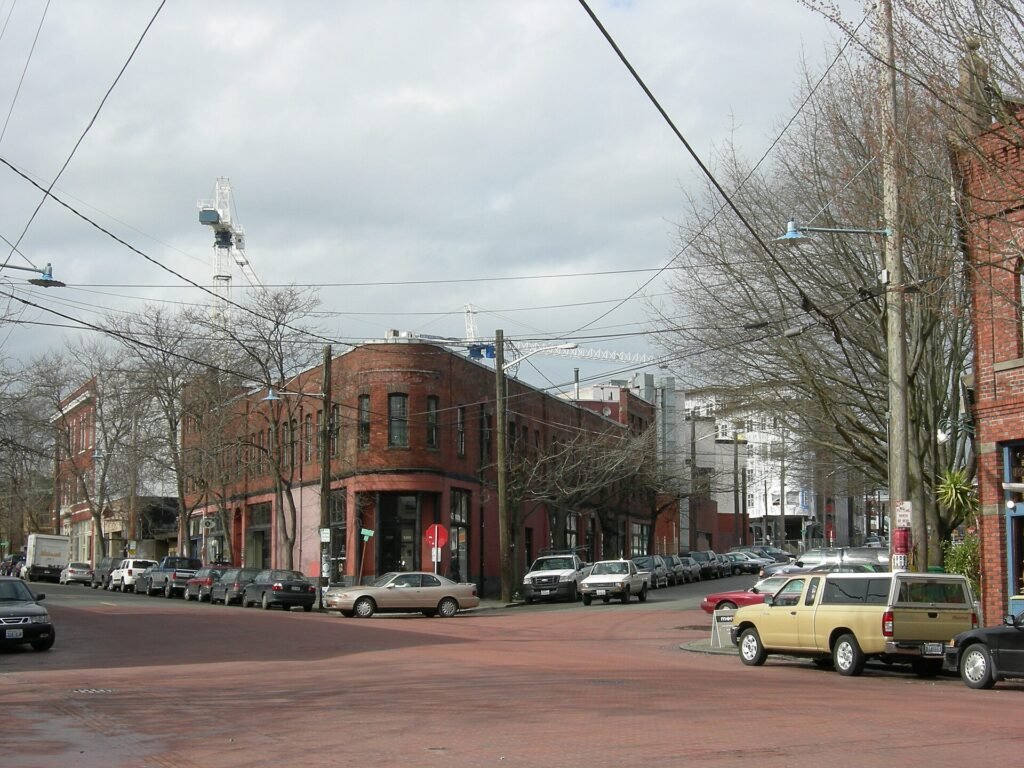 Image credit: Joe Mabel, CC BY-SA 3.0, via Wikimedia Commons

Housing, Cost of Living, and Quality of Life
Ballard consistently ranks among Seattle’s most expensive neighborhoods to rent or purchase a home. The median home value in the area routinely exceeds the citywide median, and rental costs have risen sharply since 2015. These financial pressures affect household dynamics, with housing stress frequently identified as a contributing factor to relationship strain and family conflict.
Despite the cost pressure, Ballard maintains a strong quality-of-life profile. The neighborhood has an established commercial core along NW Market Street and Ballard Avenue NW, multiple parks including Golden Gardens Park along the waterfront, farmers markets, and a walkable urban grid that supports daily errands without a car.
Infrastructure, Transit, and Future Development
Ballard is a central focus of Seattle’s Sound Transit expansion. The Ballard Link Extension would bring light rail service to the neighborhood for the first time, connecting it directly to downtown Seattle and the broader regional transit network. The project, currently in engineering and environmental review phases, is expected to further accelerate growth and density.
City planners and residents continue to negotiate what that growth should look like. Community planning processes, zoning debates, and neighborhood input forums reflect how invested Ballard residents are in shaping the area’s future rather than simply absorbing change passively.